
Choosing a career can feel confusing, especially if you are looking for a career that offers long-term stability, growth, and relevance. If you want a practical, respected pathway that allows you to work on real structures and visible outcomes, there are many strong reasons to study civil construction design.
Civil construction design plays a key role in shaping modern infrastructure, from roads and bridges to railways, airports, and public facilities. With ongoing infrastructure investment across Australia, including major cities like Sydney and Melbourne, this dynamic and rewarding industry continues to create opportunities for domestic and international students planning a future in Australia.
In this blog, we’ll explain what civil construction design is, explore the field of civil construction design, and show why studying a diploma of civil construction design or an advanced diploma of civil construction can help you build your future with confidence.
What Is Civil Construction Design?
Civil construction design focuses on designing and planning technical solutions that support the design and construction of infrastructure and buildings. This includes preparing drawings, layouts, specifications, and documents that guide construction teams through complex construction projects.
It is important to understand the difference between related fields:
- Civil engineering focuses on theory, calculations, and advanced analysis, often carried out by a civil engineer.
- Construction management focuses on budgets, timelines, and project management.
- Civil construction design sits in between, where designers help design and build projects using clear plans and practical documentation.
In modern projects, strong design principles are essential. Accurate designs reduce risk, control costs, and support safe delivery across all aspects of civil construction.
Why Civil Construction Design Is a Smart Career Choice?
Growing Global Demand for Infrastructure
Population growth, urbanisation, and economic development continue to drive major infrastructure projects around the world. In Australia, this demand is reflected in official data. According to the Australian Bureau of Statistics, the total value of construction work done exceeded AUD 79.28 billion in a single quarter, covering residential, non-residential, and civil works.
Government investment in transport and public infrastructure remains strong, particularly in cities such as Sydney, where long-term planning supports roads, railways, and utilities. This creates ongoing demand within the civil construction industry for qualified designers who can help prepare accurate plans and models.
Strong Job Stability and Career Security
Infrastructure is essential to daily life, making roles within the construction industry more resilient to economic changes. While automation affects many sectors, civil construction design relies on human judgment, problem-solving, and applied knowledge.
This makes a career in civil construction a stable and reliable option with long-term security.

Key Benefits of Studying Civil Construction Design
1. Practical, Job-Ready Skill Development
Studying a diploma of civil construction design or an advanced diploma of civil program focuses heavily on hands-on learning. These courses equip students with skills and knowledge needed for real workplaces, including:
- Reading and producing technical drawings and draft documents
- Understanding construction methods and materials
- Applying Australian standards under the Australian Qualifications Framework
- Supporting scheduling, coordination, and project management skills
These practical skills help each graduate feel well-prepared for employment.
2. Diverse Career Opportunities
Civil construction design offers broad career opportunities across multiple sectors. Possible roles include:
- Civil draftsperson or civil engineering draftsperson
- Draftsperson supporting a civil engineer
- Project or site coordinator
- Infrastructure design support roles
These varied career paths allow you to start your career in offices, on-site, or hybrid environments.
3. Competitive Salary and Career Growth
A career in civil construction design offers strong earning potential. In Australia, the average civil designer salary is around AUD $101,000 per year, and entry-level design engineers typically start around AUD $90,000, while experienced professionals can progress into senior roles earning around AUD $159,000 annually.
This steady career growth makes civil construction design a rewarding career choice.
Skills You Gain by Studying Civil Construction Design
Technical Skills
Students gain hands-on technical ability through construction design courses, learning:
- Drafting and design of structural layouts
- Using AutoCAD, Revit, and AutoCAD and Revit together to create digital designs
- Quantity estimation and cost control
- Understanding site conditions and design principles
Soft Skills
Alongside technical learning, civil construction design equips students with transferable skills:
- Communication with teams and industry professionals
- Time management and coordination
- Analytical thinking and real-world problem-solving
Real-World Applications of Civil Construction Design
Civil construction design has direct practical applications. Graduates help design and support:
- Roads and transport networks
- Residential and commercial buildings
- Bridges, tunnels, and dams
- Public facilities and sustainable developments
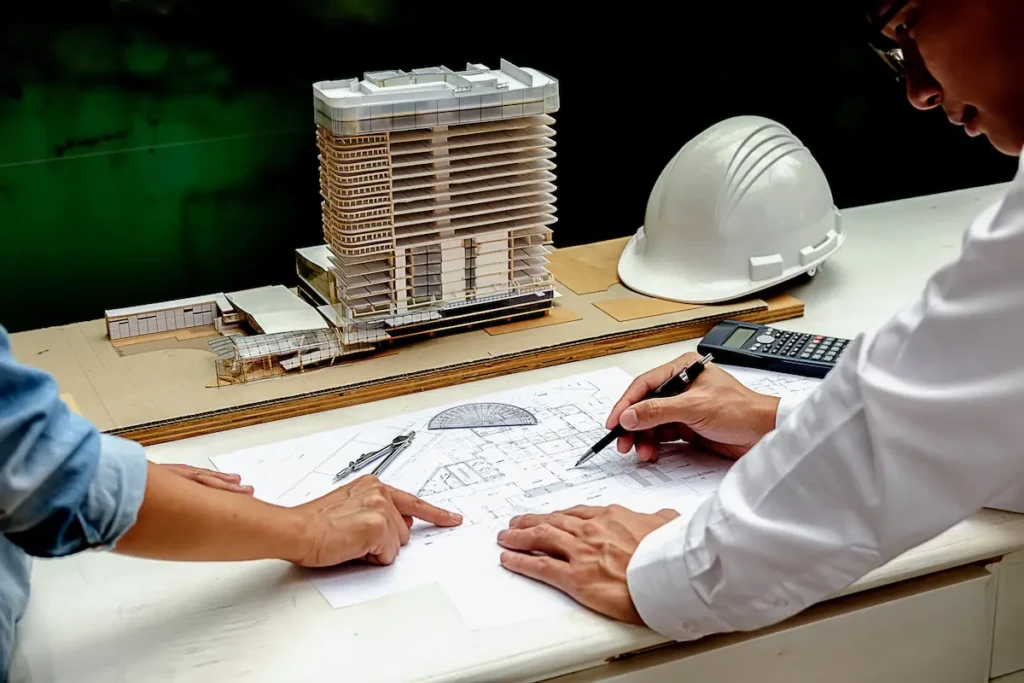
Seeing your work progress from a model to real structures is a key motivator in this dynamic field of civil construction.
Future Scope of Civil Construction Design
1. Impact of Technology and Digital Construction
Digital tools are transforming the civil construction industry. BIM, civil engineering design software, and digital coordination are now standard. Courses such as the RII60520 Advanced Diploma of Civil Construction Design help students prepare for this shift.
2. Sustainability and Green Construction
Designers play a growing role in sustainable development. Studying civil construction design helps students understand environmental standards and aspects of civil planning required for modern projects.
Who Should Study Civil Construction Design?
Civil construction design is well-suited to:
- Interested in designing and planning infrastructure
- Passionate about shaping the built environment
- Seeking a career in civil engineering or design support
- Wanting a thriving career in a future-focused sector
Challenges in Civil Construction Design (And How Education Prepares You)
Civil construction design involves technical complexity, regulations, and deadlines. Quality education helps prepare students through structured assessments, literacy and numeracy support, and hands-on experience that mirrors real-world challenges.
Career Paths After Studying Civil Construction Design
Graduates can work across a range of sectors, including:
- Construction and engineering companies
- Infrastructure and transport organisations
- Government and public works departments
- Consulting and design firms
With experience, many professionals move into senior design, supervisory, or management roles.
Why Now Is the Best Time to Study Civil Construction Design?
With strong demand and expanding infrastructure, there are increasing opportunities within the civil construction sector. Employers prefer candidates with recognised qualification levels who can help design and support projects efficiently.
How to Get Started with Civil Construction Design Studies?
Students can enrol in a RII50520 Diploma of Civil Construction Design, progress to an Advanced Diploma of Civil Construction, or pursue the RII60520 Advanced Diploma of Civil Construction Design. These pathways equip students with both principles and practical understanding.
Institutions such as NeXgen Institute of Australia (NIA) are recognised colleges, and a college is one option that provides a supportive learning environment and hands-on experience to launch your career in civil construction design.
Frequently Asked Questions
1. Is Civil Construction Design a Good Career?
Yes. It offers strong job demand, stability, and long-term growth.
2. What Qualifications are Needed?
Diploma and advanced diploma programs aligned with the Australian Qualifications Framework are common entry points.
3. Is Civil Construction Design Future-Proof?
Yes. Infrastructure development and sustainability needs ensure ongoing demand.
4. Can I Work Internationally With This Qualification?
Civil construction design skills are transferable across many countries.
5. What Is the Difference Between Civil Design and Civil Engineering?
Civil design focuses on practical drawings and project support, while civil engineering involves deeper theoretical analysis.
Conclusion: Is Civil Construction Design Right for You?
Civil construction design offers stability, growth, and visible impact. It is an exciting career that allows you to work on meaningful projects while allowing you to build a respected profession.
If you are ready to start your career and build your future in a dynamic and rewarding industry, enrol today. Explore civil construction design courses at NeXgen Institute of Australia (NIA) and take the next step toward a strong future in Australia.